Introduction
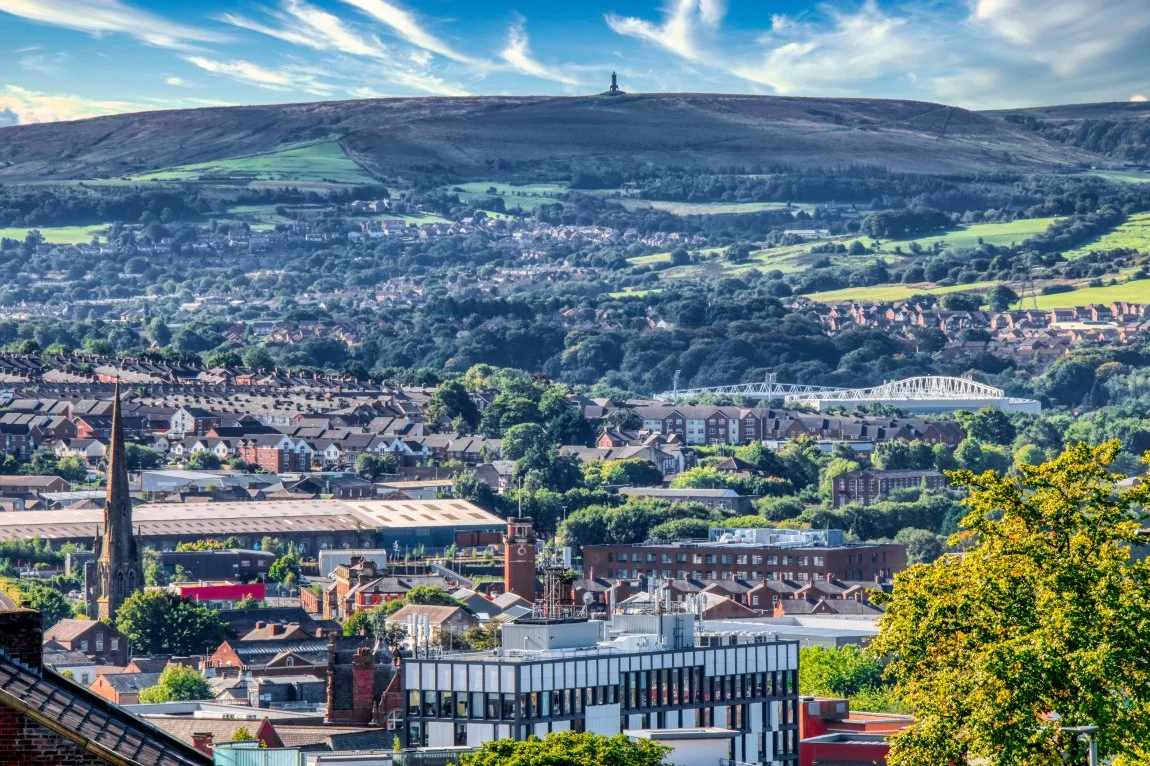
Infrastructure development is transforming the commercial landscape, and the impact of infrastructure projects on property demand in Oldham is becoming increasingly evident. From improved transport links to regeneration initiatives, these developments are driving demand for office, retail, and industrial spaces across the region. For landlords, investors, and businesses, understanding how infrastructure shapes demand is essential for making informed property decisions.
The Link Between Infrastructure and Property Demand
Infrastructure plays a direct role in shaping the Oldham infrastructure development property demand. When an area becomes more accessible and connected, it naturally attracts businesses and investment. Key drivers include:
- Improved transport networks
- Enhanced public services and facilities
- Regeneration of underutilised areas
- Increased investor confidence
These factors contribute to rising commercial property growth in Oldham UK, making infrastructure a key determinant of market performance.

Transport Links and Accessibility
One of the most significant influences is connectivity. The transport links impact property Oldham by making locations more accessible for employees, clients, and logistics. Benefits of improved transport include:
- Reduced travel times for workforce and customers
- Easier access for supply chains and deliveries
- Increased attractiveness for businesses seeking strategic locations
According to insights from the Department for Transport, infrastructure investment in transport networks significantly supports regional economic growth and property demand.
Regeneration Projects and Urban Development
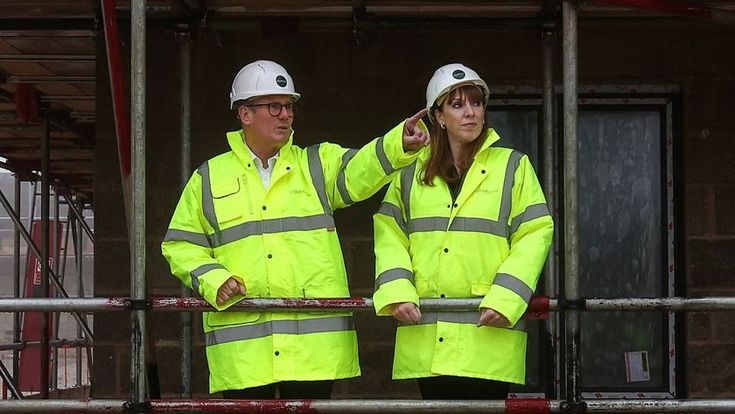
Oldham has seen ongoing regeneration efforts aimed at revitalising key areas. These regeneration projects Oldham property market initiatives enhance both the visual appeal and economic potential of commercial zones. Regeneration typically leads to:
- Modernised commercial spaces
- Improved public infrastructure
- Attraction of new businesses and industries
This supports broader urban development Oldham UK, creating vibrant business districts that drive leasing activity.
Economic Growth and Investment Opportunities
Infrastructure investment fuels economic expansion. The relationship between economic growth and property demand in Oldham is clear, as improved infrastructure attracts new businesses and encourages existing ones to expand. This creates strong Oldham property investment opportunities, particularly in areas experiencing rapid development. Investors benefit from:
- Increased rental demand
- Higher property values over time
- Greater tenant diversity across sectors
Rising Property Values and Demand
The property value increase in Oldham UK is closely tied to infrastructure improvements. As areas become more desirable, demand rises, leading to higher rental and capital values. Key factors influencing value include:
- Proximity to transport hubs
- Access to amenities and services
- Location within regeneration zones
These elements strengthen connectivity and property value Oldham, making well-located properties more competitive in the market.

Demand Across Commercial Property Types
Infrastructure development impacts different property sectors in unique ways:
- Industrial and Office Space Demand Oldham: Improved logistics and connectivity boost demand for warehouses and offices.
- Retail Spaces : Increased footfall in regenerated areas supports retail growth.
Understanding these trends helps landlords and investors align with Oldham development projects and commercial property opportunities.
Planning for Future Trends
Looking ahead, infrastructure will continue to shape future property trends Oldham UK. Landlords and investors should:
- Monitor ongoing and planned development projects
- Identify emerging business districts
- Adapt properties to meet evolving tenant needs
Guidance from the UK Government highlights the importance of infrastructure in supporting long-term economic and property market growth.
Platforms like commercialpropertiestolet help landlords stay connected with these trends, offering access to high-demand properties and tenant networks across Oldham and Greater Manchester.
Conclusion
The impact of infrastructure projects on property demand in Oldham is shaping the future of the commercial property market. Improved transport, regeneration initiatives, and strategic investments are driving demand, increasing property values, and creating new opportunities for landlords and investors.
By understanding these developments and leveraging platforms like commercialpropertiestolet, stakeholders can position themselves for long-term success in Oldham’s evolving commercial landscape.