
Introduction
In today’s competitive UK market, understanding commercial property types UK landlords invest in is essential for avoiding long void periods and securing reliable rental income. Rising business rates, changing tenant demand, and location-based competition mean choosing the wrong property type can quickly impact profitability.
Whether you own office space, a retail unit, an industrial property, or a warehouse, each option attracts different tenants and performs differently—especially in high-demand areas like Greater Manchester. For landlords exploring different UK commercial property types, knowing how each category compares helps reduce risk and improve long-term returns.
What Are the Main Commercial Property Types in the UK?
There are four main types of commercial property in the UK that landlords typically own or invest in:
- Office commercial property
- Retail commercial property
- Industrial commercial property
- Warehouse commercial property
Understanding these commercial property categories allows landlords to make better decisions around tenant selection, lease length, and management strategies. Many property owners also choose commercial property management services to ensure the right tenant is placed and the property is fully managed from day one.
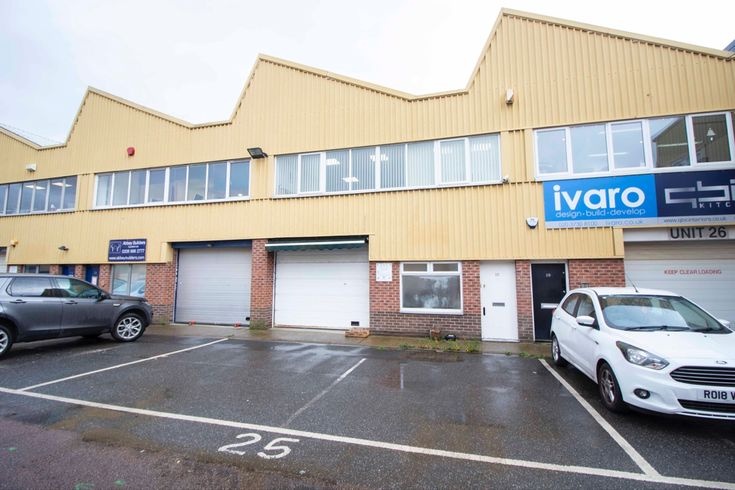
What Is Office Commercial Property in the UK?
Office commercial property explained refers to buildings or units designed for professional and administrative businesses. These remain one of the most common commercial property types UK landlords hold in town centres and business parks.
Typical office tenants include:
- Accountants and solicitors
- Consultants and IT companies
- Marketing and service firms
Advantages for landlords:
- Professional, low-risk tenants
- Lower physical wear and tear
- Predictable rental income
Things to consider:
- Demand varies by location
- Business rates and layout suitability
If your office unit is struggling to attract interest, reviewing Why Your Commercial Property Isn’t Renting And What You Can Do About It can help identify demand-related issues.
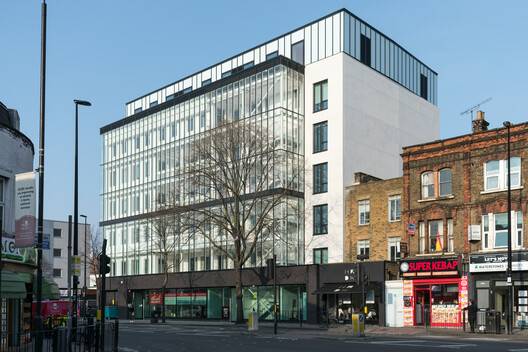
What Is Retail Commercial Property in the UK?
Retail commercial property explained includes shops, showrooms, and customer-facing units. These UK commercial property types are heavily influenced by location and footfall.
Common retail tenants include:
- Convenience stores
- Salons and barbers
- Cafés and service retailers
Advantages:
- Strong income potential in high-footfall areas
- Long-term tenants when businesses perform well
Challenges:
- Sensitive to economic conditions
- Higher vacancy risk in weaker locations

What Is Industrial Commercial Property in the UK?
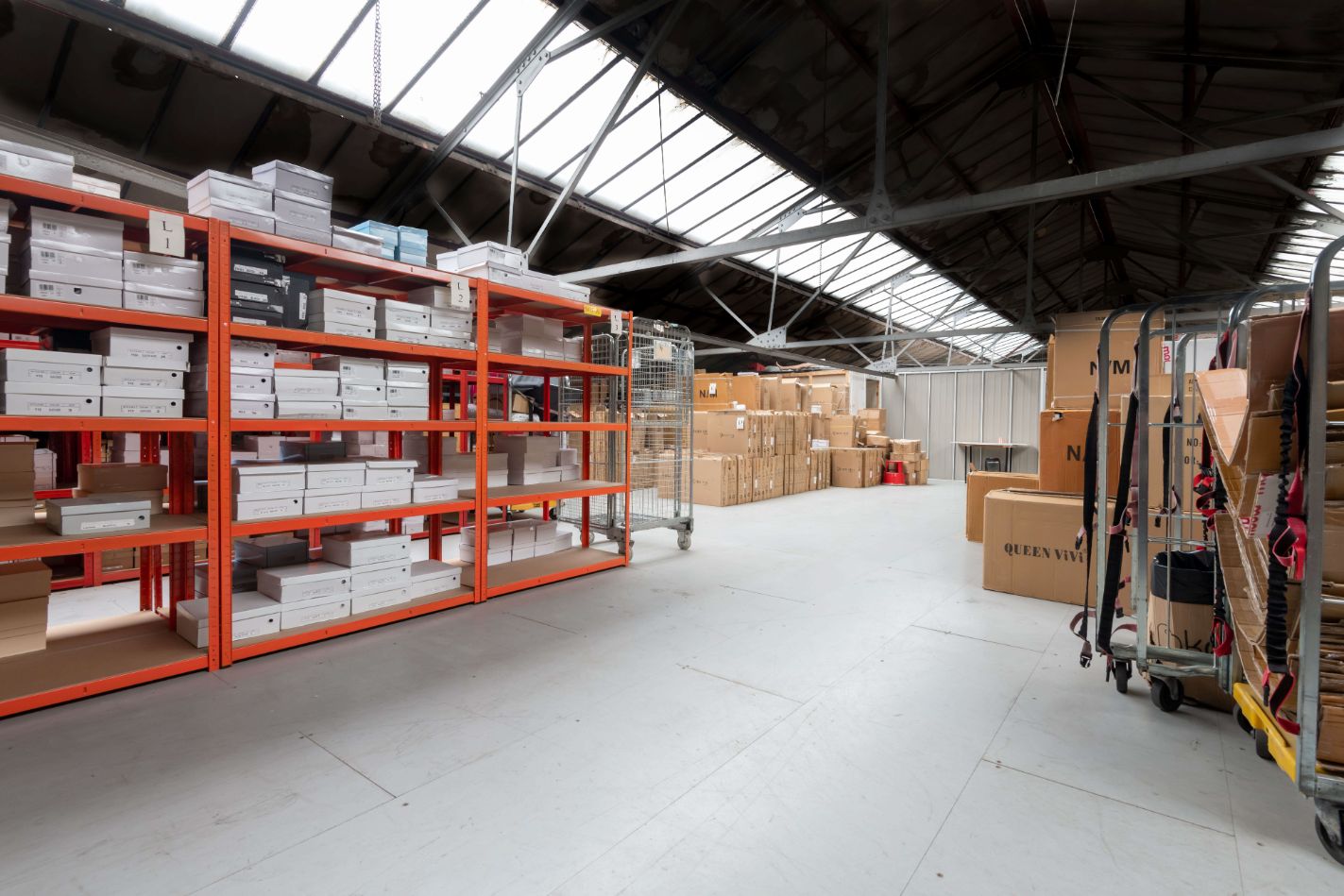
Industrial commercial property explained covers workshops, factories, trade counters, and light industrial units. Among all commercial property types UK, industrial units currently offer some of the strongest demand.
Typical industrial tenants include:
- Manufacturing businesses
- Trade and repair services
- Logistics operators
Advantages:
- Longer lease terms
- Reliable business tenants
- Lower vacancy rates
Considerations:
- Higher wear and tear
- Compliance and safety requirements
Industrial landlords often benefit from fully managed commercial letting solutions, particularly when dealing with long-term corporate tenants and complex lease structures.
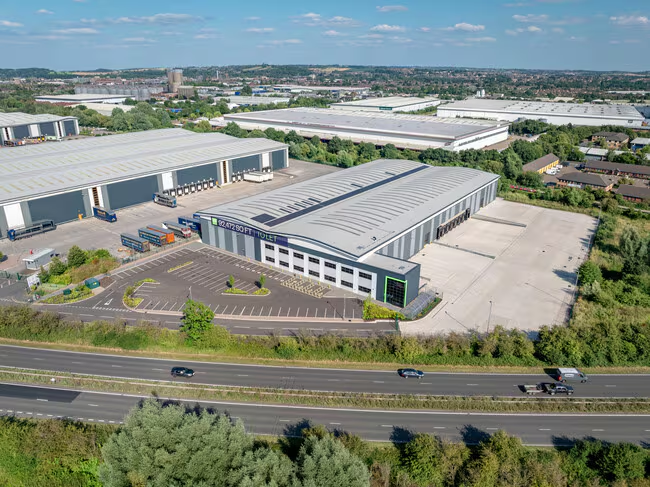
What Is Warehouse Commercial Property in the UK?
Warehouse commercial property explained refers to large storage and distribution spaces used by logistics and e-commerce businesses. Demand for these commercial real estate types in the UK has increased significantly in recent years.
Advantages:
- Corporate and logistics tenants
- Long leases
- Strong rental stability
Considerations:
- Higher maintenance costs
- Specialist use limits tenant flexibility
Warehouse landlords should also understand ongoing costs such as business rates, covered in Business Rates & Commercial Property Taxes UK: Best Practices to Follow.
Which Commercial Property Type Is Best for Landlords in the UK?
Profitability and stability vary by location and tenant quality, but across most commercial property types UK, current trends show:
- Offices offer moderate stability with professional tenants
- Retail performs best in strong locations
- Industrial and warehouse properties deliver the most consistent long-term demand
Landlords focused on predictable income often prioritise industrial and warehouse UK commercial property types.
How Do You Choose the Right Commercial Property Type in the UK?
When choosing between different commercial property types UK, landlords should consider:
- Location and tenant demand
- Lease length and reliability
- Business rates and operating costs
- Level of management required
Final Thoughts
Understanding commercial property types UK landlords invest in is essential for reducing void periods and maximising rental income. Whether you own office space, retail units, industrial property, or warehouses, selecting the right property type and tenant directly impacts long-term success.
With experience managing commercial properties across Greater Manchester, Commercial Properties To Let UK works closely with landlords to match the right property type with reliable, long-term business tenants.
Own a Commercial Property and Unsure Which Type Performs Best?
If you would like expert guidance tailored to your property, you can speak directly with our commercial property specialists to discuss the best letting strategy for your unit.